

High Pressure Testing Companies in Aziziyah
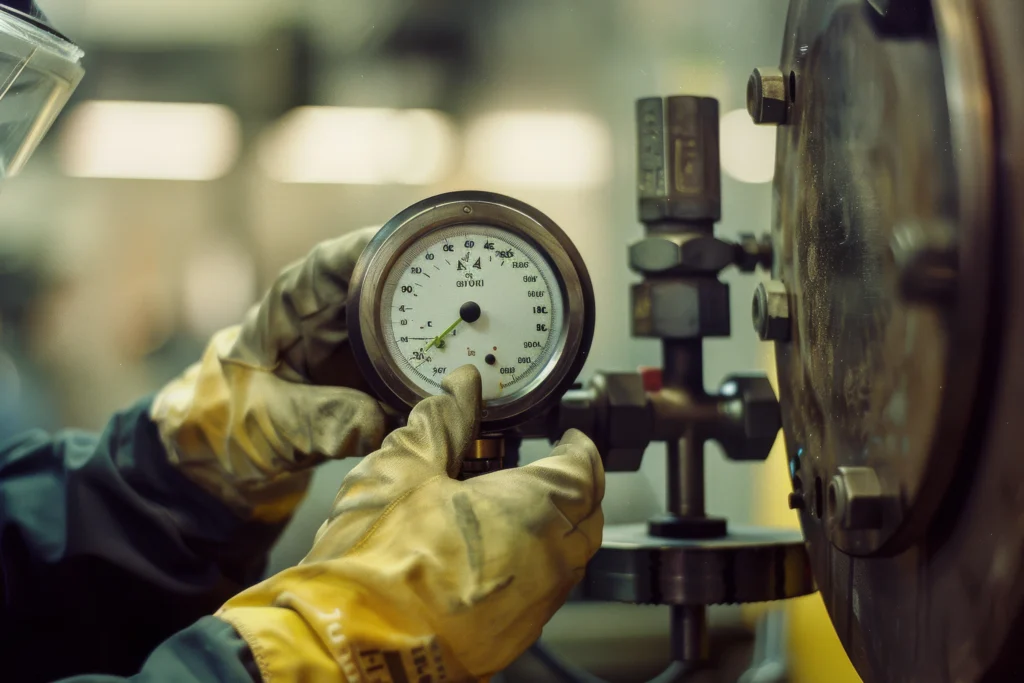
High pressure testing companies in Aziziyah support industrial facilities where piping systems, pressure vessels, valves, and mechanical assemblies must be verified before operation. Pressure testing confirms that equipment can withstand operational loads without leakage, structural deformation, or failure. In sectors such as oil and gas, power generation, and manufacturing, pressure verification is a critical part of commissioning, inspection, and preventive maintenance programs.
Industrial systems operate under demanding pressure conditions, and even minor integrity issues can lead to operational disruption or regulatory non-compliance. High pressure testing therefore ensures that systems maintain mechanical strength and pressure containment capability under controlled testing conditions. When performed by qualified testing engineers using calibrated measurement equipment, pressure verification provides reliable data that supports engineering decisions and operational safety.
In Saudi Arabia’s industrial environment, these services are increasingly integrated with calibration programs that maintain accurate measurement systems across plants, laboratories, and infrastructure projects.
Pressure Testing and Calibration Integration
High pressure testing is closely connected with calibration practices in metrology laboratories. Pressure gauges, transmitters, safety valves, and monitoring instruments used during testing must themselves be verified through traceable calibration procedures. Without properly calibrated instruments, pressure test results cannot be considered technically reliable.
Calibration laboratories operating under ISO/IEC 17025 establish measurement traceability and evaluate measurement uncertainty associated with test results. This framework ensures that pressure measurements used during testing are aligned with internationally recognized reference standards.
Industrial facilities in Saudi Arabia often combine pressure testing with broader calibration activities. Pressure calibration services verify gauges and transmitters used in pressurized systems, while temperature calibration ensures thermal monitoring devices operate within tolerance limits. Electrical calibration is used to validate signal measurement equipment, while dimensional calibration supports mechanical verification processes.
When these calibration domains work together, industrial operators gain a complete measurement assurance system supporting accurate process monitoring and equipment verification.
Standards and Compliance in Saudi Arabia
Industrial testing and calibration activities within the Kingdom operate under a structured regulatory environment. Laboratories and testing providers often follow ISO/IEC 17025 requirements, which define technical competence in calibration and testing activities. This standard requires documented testing procedures, measurement uncertainty evaluation, traceability to reference standards, and technically qualified personnel.
The Saudi Standards, Metrology and Quality Organization governs national measurement frameworks and establishes conformity standards for industrial measurement practices. Accreditation oversight is managed by the Saudi Accreditation Center, which evaluates laboratories and testing providers to ensure they meet international accreditation requirements. The Ministry of Industry and Mineral Resources also influences regulatory expectations for facilities operating in major industrial zones.
For large industrial operators and engineering projects, pressure testing documentation must demonstrate compliance with recognized engineering practices and traceable measurement procedures. Accurate testing records are therefore essential for both operational reliability and regulatory inspection.
Industries Served in Aziziyah
Industrial facilities operating in Aziziyah depend on high pressure testing to verify mechanical integrity across pressurized systems. Oil and gas facilities frequently test pipelines, valves, pressure vessels, and process equipment that operate under high internal pressures. Manufacturing plants rely on pressure verification during installation and maintenance of hydraulic and pneumatic systems used in production processes.
Power generation infrastructure also requires pressure testing to ensure reliability of boilers, heat exchangers, and cooling systems operating under pressurized conditions. Construction and infrastructure projects perform pressure verification during commissioning stages to confirm that newly installed piping networks meet engineering specifications.
These industries rely on precise pressure measurements and documented testing procedures to maintain operational continuity and meet regulatory compliance expectations.
Testing Methodology and Turnaround
High pressure testing procedures typically begin with system preparation and verification of calibrated testing equipment. Engineers isolate the system under test and apply controlled pressure using hydraulic or pneumatic testing equipment depending on the application.
Pressure levels are gradually increased while monitoring instrumentation records the response of the system. Engineers observe for leakage, structural changes, or abnormal pressure loss that could indicate integrity issues. Test results are then evaluated against defined engineering tolerances and operational specifications.
Testing may be performed directly at industrial sites where systems are installed, allowing engineers to evaluate equipment within real operating environments. In other cases, components such as valves or pressure vessels may be tested within controlled testing facilities before installation.
Certification and Documentation
Testing documentation provides evidence that equipment has been verified under controlled pressure conditions. Test reports record pressure levels, testing duration, instrumentation used, and observed system performance.
Traceability of measurement instruments is essential to ensure test validity. Calibration certificates associated with pressure gauges and measurement devices demonstrate that readings are aligned with recognized reference standards. Measurement uncertainty calculations provide engineers with an understanding of potential variation in measurement values.
These records are often reviewed during engineering audits, quality inspections, and regulatory compliance reviews. Accurate documentation therefore plays a critical role in demonstrating that pressure systems meet required performance and safety criteria.
Frequently Asked Questions
What is high pressure testing and why is it required?
High pressure testing evaluates whether equipment such as pipelines, valves, and pressure vessels can safely withstand operational pressure levels. The process verifies system integrity and identifies potential leaks or structural weaknesses before equipment enters service.
Is pressure testing mandatory for industrial facilities in Saudi Arabia?
Many industrial sectors incorporate pressure testing within commissioning and maintenance programs. Facilities operating under quality management systems or regulatory oversight often require documented testing procedures to verify equipment performance and compliance.
How is pressure measurement accuracy verified during testing?
Pressure measurements used during testing are verified through calibration procedures conducted in ISO/IEC 17025 calibration laboratories. These procedures ensure measurement traceability and evaluate uncertainty associated with pressure readings.
Can high pressure testing be performed on-site in Aziziyah?
Yes. Many pressure testing activities are conducted directly within industrial facilities where pipelines, mechanical systems, or pressure equipment are installed. On-site testing allows engineers to evaluate equipment under real operational conditions.
